Lorem ipsum
Morbi leo risus, porta ac consectetur ac, vestibulum at eros. Etiam porta sem malesuada magna mollis euismod. Integer commodo bibendum sapien, vitae dapibus odio aliquet id. Nullam quis risus eget urna mollis ornare vel eu leo. Morbi leo risus, porta ac consectetur ac, vestibulum at eros. Integer posuere erat a ante venenatis dapibus posuere velit aliquet. Praesent commodo cursus magna, vel scelerisque nisl consectetur et. Cum sociis natoque penatibus et magnis dis parturient montes, nascetur ridiculus mus. Etiam porta sem malesuada magna mollis euismod.
Vel magnased
Nullam quis risus eget urna mollis ornare vel eu leo. Integer commodo bibendum sapien, vitae dapibus odio aliquet id. Cras mattis consectetur purus sit amet fermentum. Mauris sollicitudin, urna eu molestie pharetra, ipsum est pulvinar purus. Aliquam erat volutpat in congue etiam justo etiam. Vivamus sagittis lacus vel augue laoreet rutrum faucibus dolor auctor. Maecenas faucibus mollis interdum. Fusce dapibus, tellus ac cursus commodo, tortor mauris condimentum nibh, ut fermentum massa justo sit amet risus. Mauris sollicitudin, urna eu molestie pharetra, ipsum est pulvinar purus.
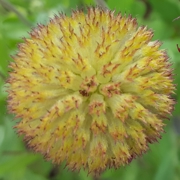
Gaillardia
The seed head of a plant in the Asteraceae family. More specifically, it looks very much like the spent seed head of a Gaillardia (commonly called blanket flower). After blooming, Gaillardia flowers dry into a round, bristly sphere just like this.
- The yellow‑to‑reddish hairs/bristles are typical of the dried ray florets.
- The structure is dense and fuzzy, with a geometric pattern of seeds forming underneath.
If you’re growing these or seeing them in a garden, the seed heads often persist for quite a while and can even self‑seed.
Spider Lily
-
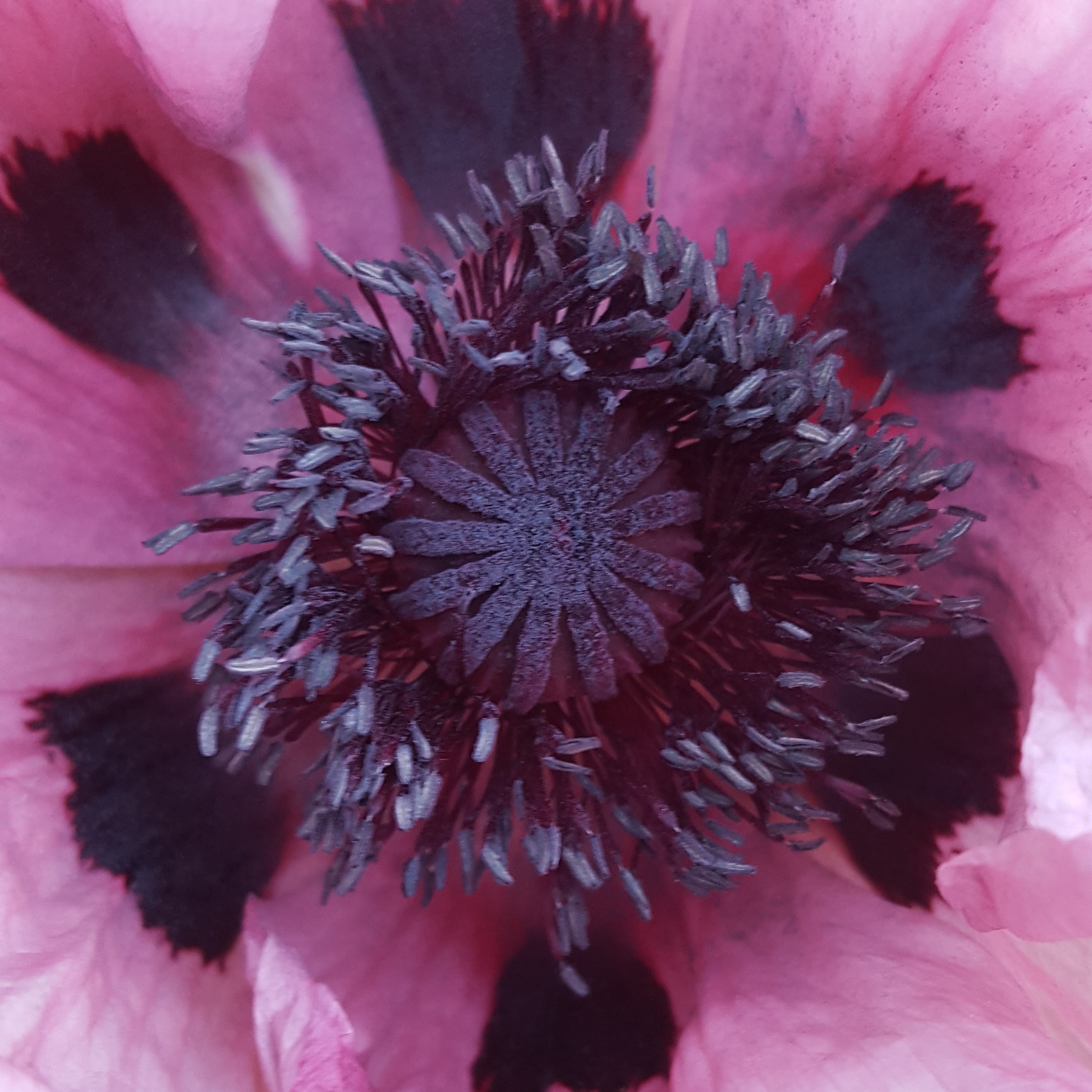
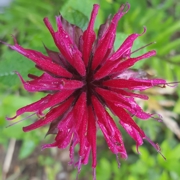
Long, narrow, curling petals that radiate outward in a starburst pattern are a signature trait.
-
Bright red coloration is the most common form of this species.
-
Overall shape: spider lilies have that dramatic, firework‑like bloom with thin, ribbon‑like segments.
-
Growth habit: they often appear on tall stems with foliage lower or separate, which matches the blurred greenery behind it.
If you want, I can help you compare it to similar look‑alikes (like certain dahlias or grevilleas), but the structure here is very characteristic of Lycoris.
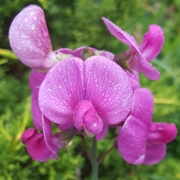
Sweet Pea
-
Petal shape: Sweet peas have those broad, ruffled, almost butterfly‑like petals.
-
Color range: Bright pinks, purples, and pastels are classic sweet pea colors.
-
Texture: The slightly translucent, delicate petals you captured are very typical.
-
Growth habit: They’re vining flowers, often photographed close-up because the blooms are small but intricate.